Get Backflow Prevention Service in Bellevue, WA
Local contractors in Bellevue, WA, can provide backflow prevention services to protect your water supply during plumbing upgrades, repairs, or new installations.
Property owners in Bellevue, WA, exploring backflow prevention services can find valuable resources here to help plan their projects and compare local contractors. Ensuring the safety and proper functioning of a property's water system is an important consideration, especially in areas with complex plumbing needs or specific municipal requirements. By reviewing available options and understanding the scope of services offered by nearby service providers, property owners can make informed decisions that support the long-term integrity of their water systems.
This page connects residents and property managers with experienced local contractors who specialize in backflow prevention. Whether upgrading existing systems or installing new devices, these professionals can help address the practical concerns of maintaining safe water supplies and complying with local regulations. Keep reading to discover how to identify trusted service providers and find solutions tailored to the unique needs of Bellevue properties.
- Backflow testing - needed when a property owner in Bellevue, WA suspects potential contamination risks in their water supply.
- Backflow device installation - required during new construction or major plumbing upgrades in neighborhoods like West Bellevue or Bridle Trails.
- Backflow device repair - necessary when existing backflow preventers show signs of malfunction or leaks in local commercial or residential properties.
- Backflow device inspection - essential for compliance during routine health and safety checks in areas with aging infrastructure.
- Backflow system maintenance - recommended to ensure ongoing protection for properties in neighborhoods with frequent water pressure issues.
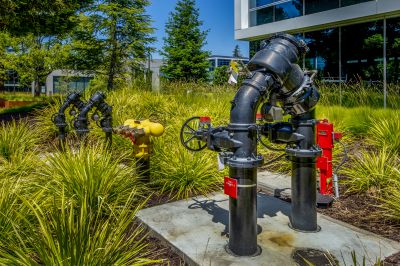
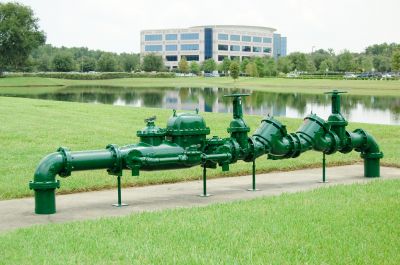
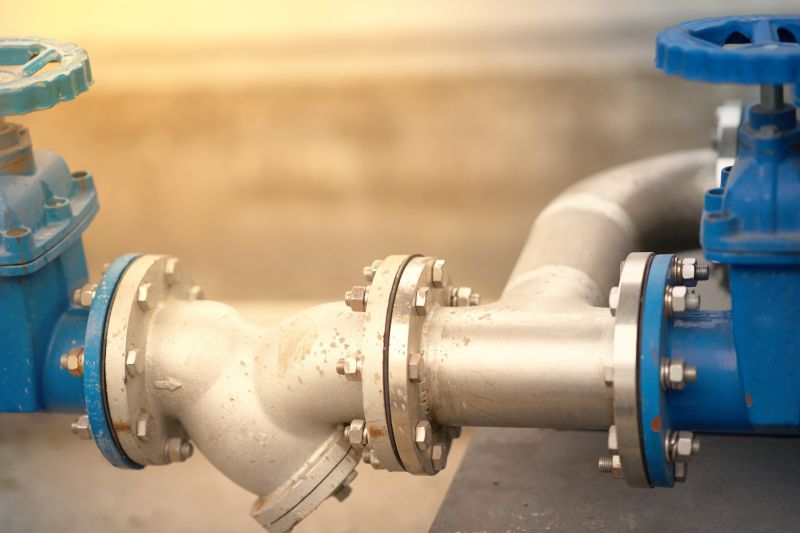
Backflow prevention services involve installing, inspecting, and maintaining devices designed to protect the potable water supply from contamination caused by backflow. These devices act as a barrier, preventing potentially polluted water from flowing back into the clean water lines. Service providers evaluate the plumbing system to determine the appropriate type of backflow preventer, install it correctly, and ensure it functions properly. Regular testing and maintenance are essential to keep these devices in good working order and to comply with local safety standards.
One of the primary problems backflow prevention services help address is the risk of water contamination. Without proper safeguards, cross-connections between potable water lines and sources of pollution-such as irrigation systems, fire suppression systems, or industrial equipment-can lead to contaminated water entering homes or businesses. Backflow preventers help mitigate this risk by automatically shutting off or redirecting water flow when a pressure imbalance occurs, thereby protecting the health and safety of residents and occupants.
Backflow prevention is commonly needed in a variety of property types, including residential homes, commercial buildings, and community facilities. Homeowners with irrigation systems, wells, or fire sprinkler systems often require backflow preventers to prevent pollutants from entering their drinking water. Commercial properties, such as restaurants, offices, and industrial facilities, frequently have more complex plumbing setups that benefit from backflow prevention to meet health regulations and ensure water safety. Property managers and facility owners should consider these services to maintain compliance and safeguard water quality.
Property owners in Bellevue, WA, and nearby areas should be aware of signs that backflow prevention services might be needed. These include recent plumbing system upgrades, installation of new irrigation or fire suppression systems, or if local regulations require periodic testing. Regular inspections by experienced service providers can identify potential issues before they become serious problems. Connecting with local contractors who specialize in backflow prevention can help ensure that systems are properly installed, maintained, and compliant with safety standards, providing peace of mind and protection for all water users.
The overview below groups typical Backflow Prevention Service projects into broad ranges so you can see how smaller, mid-sized, and larger jobs often compare in Bellevue, WA.
In many markets, a large share of routine jobs stays in the lower and middle ranges, while only a smaller percentage of projects moves into the highest bands when the work is more complex or site conditions are harder than average.
Smaller Repairs - Many routine backflow prevention repairs in Bellevue typically cost between $250 and $600. These projects often involve replacing small components or fixing minor leaks, which are common for local service providers to handle efficiently.
Routine Maintenance - Regular testing and maintenance services generally fall within the $150-$400 range. Most properties require annual inspections that keep systems functioning properly without significant costs.
Full Backflow Device Replacement - Replacing an entire backflow prevention device can range from $1,000 to $3,000, depending on the size and complexity of the system. Larger, more complex installations are less common but can reach $4,000 or more.
Complex or Commercial Projects - Larger, more intricate backflow prevention projects for commercial properties can cost $5,000+ and are less frequent. These jobs often involve extensive system upgrades or custom solutions handled by experienced local contractors.
Actual totals will depend on details like access to the work area, the scope of the project, and the materials selected, so use these as general starting points rather than exact figures.
Water Line Installation - installing new water lines requires similar planning, tools, and knowledge of plumbing systems as backflow prevention services.
Irrigation System Setup - designing and installing irrigation systems involves understanding water flow and preventing contamination, aligning with backflow prevention skills.
Fire Sprinkler System Installation - setting up fire sprinkler systems demands precise pipework and water management, which shares technical expertise with backflow prevention projects.
Plumbing Repair and Maintenance - diagnosing and fixing plumbing issues involves similar troubleshooting and pipework skills used in backflow prevention services.
Water Meter Replacement - replacing water meters requires careful handling of water lines and system components, paralleling the planning involved in backflow prevention.
Drainage System Installation - installing drainage systems involves understanding water flow and system integrity, which complements the skills needed for backflow prevention projects.
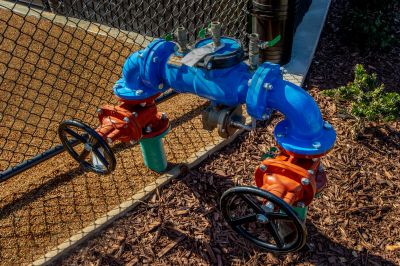
When choosing a service provider for backflow prevention services in Bellevue, WA, it’s important to consider their experience with similar projects. Homeowners should look for local contractors who have a track record of handling backflow prevention work comparable to their specific needs. An experienced professional understands the nuances of local plumbing systems and can provide informed guidance to ensure the job is done correctly. Verifying that a contractor has completed similar projects in the area can help gauge their familiarity with local codes, common challenges, and best practices.
Clear, written expectations are essential to a successful working relationship. Homeowners should seek out service providers who can offer detailed descriptions of the scope of work, materials to be used, and any relevant warranties or guarantees. Having this information in writing helps prevent misunderstandings and provides a reference point throughout the project. It’s also beneficial to ask for a transparent explanation of the process, so homeowners know what to expect at each stage and can ensure the work aligns with their needs.
Reputable references and effective communication are key indicators of a trustworthy local contractor. Homeowners should inquire about references from past clients, preferably those with projects similar in size and scope. Hearing about others’ experiences can provide insight into the contractor’s professionalism and reliability. Additionally, service providers who communicate clearly and promptly can help homeowners feel confident in the process, ensuring questions are answered and concerns addressed throughout the project. These factors contribute to a smoother experience and a successful backflow prevention service.
Property owners in Bellevue, WA use Backflow Prevention Service services for practical projects around their homes and businesses. This guide focuses on everyday jobs and straightforward project options.
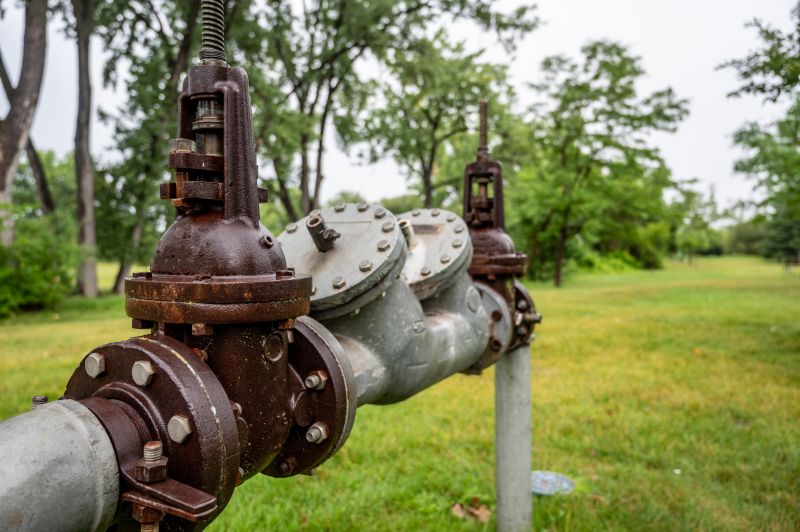
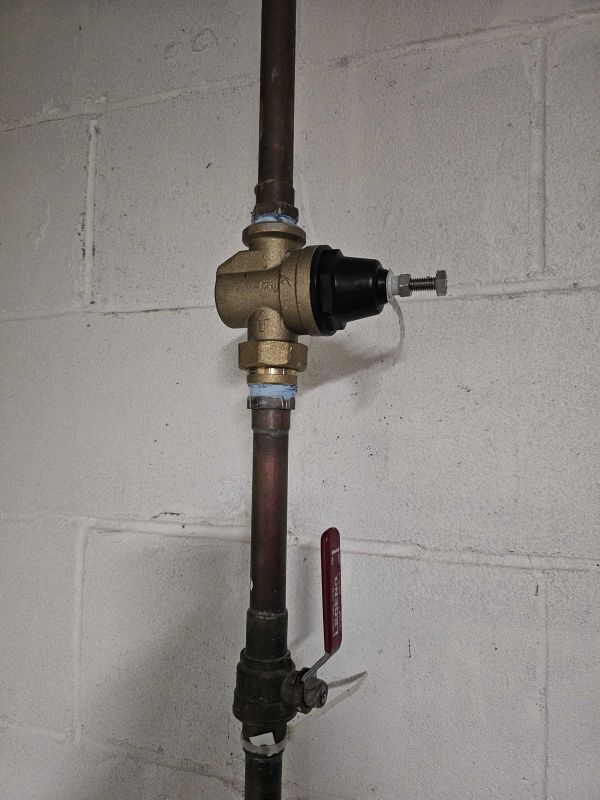
Backflow prevention services are often needed when property owners in Bellevue, WA, are concerned about the safety of their drinking water. This can happen during routine plumbing inspections, or if there are signs of possible contamination, such as changes in water taste or discoloration. Local contractors can install or repair backflow prevention devices to ensure that non-potable water doesn’t flow back into the main water supply, helping to maintain a safe and clean water system for homes and businesses alike.
Property owners might also seek backflow prevention work after experiencing plumbing issues or during property upgrades. For example, when adding new irrigation systems or modifying existing plumbing, local service providers can assess the risk of backflow and install the appropriate devices. These services are essential for maintaining compliance with local water safety standards and preventing potential health hazards caused by cross-connections or system malfunctions.
What is backflow prevention and why is it important? Backflow prevention is a system designed to stop contaminated water from flowing back into the clean water supply, helping protect residential and commercial water quality in Bellevue and nearby areas.
How often should backflow prevention devices be tested? It is recommended to have backflow prevention devices tested regularly by local service providers to ensure they are functioning properly and remain compliant with local regulations.
What signs indicate that a backflow prevention device may need repair or replacement? Signs can include unusual water pressure, visible damage, or malfunctioning check valves, which should be evaluated by experienced local contractors.
Are backflow prevention services required by local regulations in Bellevue? Many local codes require testing and maintenance of backflow prevention devices to ensure water safety, and local service providers can assist with compliance.
How do local service providers perform backflow prevention testing? They typically inspect the device for proper operation, check for leaks or damage, and certify its functionality according to local standards.
Preventing Contamination - Installing backflow prevention devices helps protect your drinking water from potential pollutants during everyday activities like gardening or filling a pool.
Ensuring Compliance - Regular backflow testing ensures your property meets local water safety regulations, especially for commercial or multi-unit buildings.
Protecting Irrigation Systems - Proper backflow prevention can stop contaminated water from flowing back into your sprinkler system, safeguarding your landscape.
Maintaining Water Quality - Service providers can help property owners keep their water supply safe by installing or maintaining devices that prevent backflow in residential or commercial setups.
If you are thinking about Backflow Prevention Service for a property in Bellevue, WA, this guide is meant to help you understand the work, the typical project types, and how different options might fit your plans.
When you are ready, you can use the quote form on this page to share a few details about your project. From there, local pros can review the basics and respond with options that match what you have in mind.